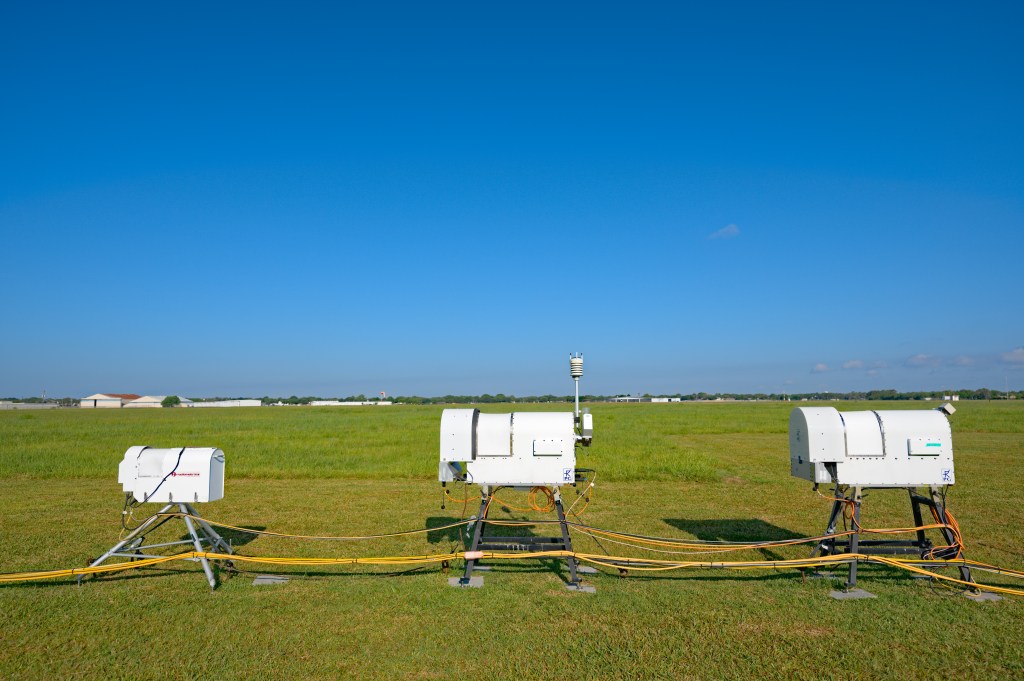
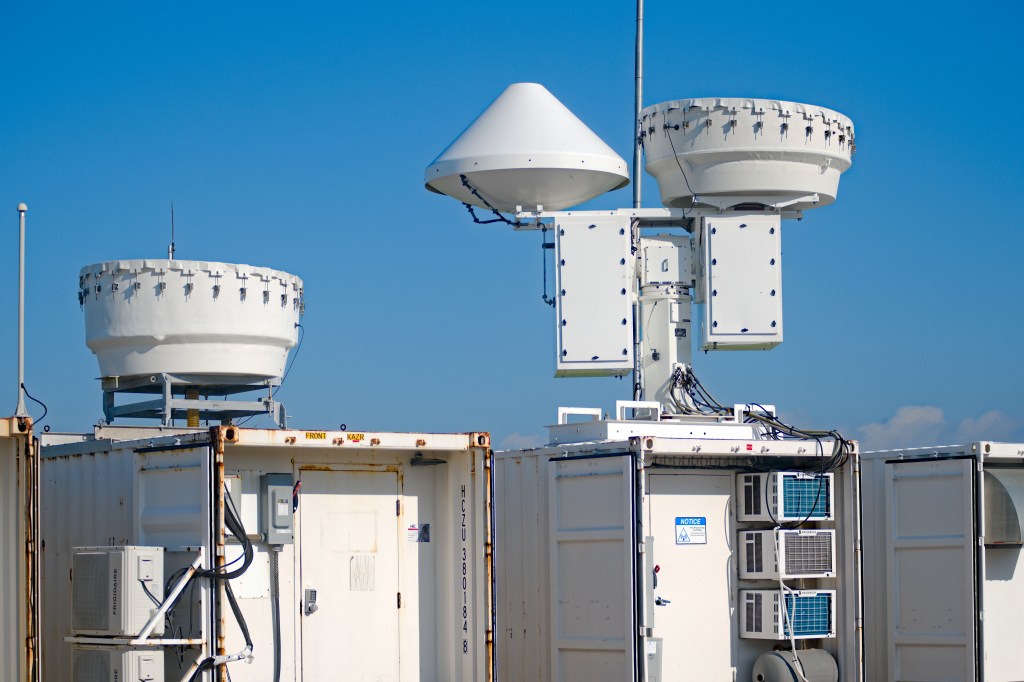
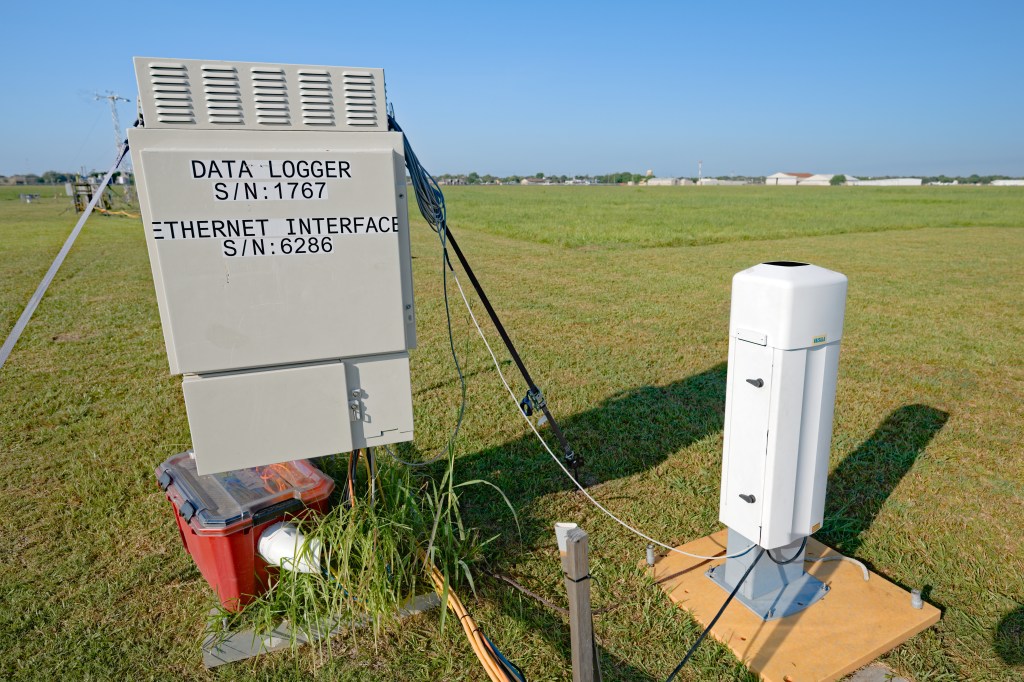
CAPE-k Summer School

Long time, no post. I’ve got to get better at updating this blog. Good news is I have something very nice to post about! We have just finished helping at the Cloud And Precipitation Experiment at kennaook (CAPE-k) Summer School! Max Grover and myself were approached by the Director of the ARM facility with a request to help on a course after he attended the kick off of a deployment of the ARM facility to the kennaook/Cape Grim Baseline Air Pollution Station (KCGBAPS) on the northwestern tip of Tasmania. Note that the lower case k is not a typo as the indigenous peoples of the region do not capitalize place names.
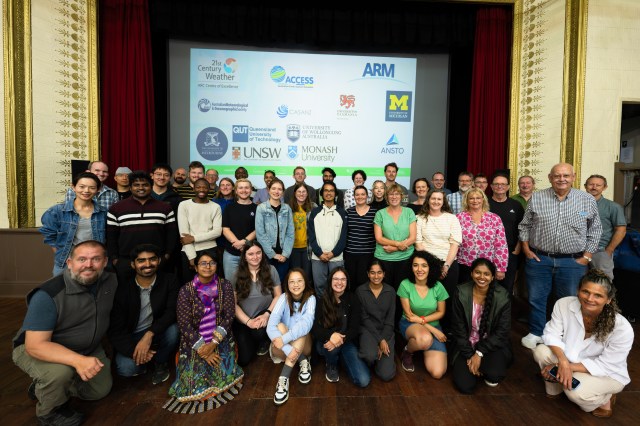
Summer school students, instructors and Cape Grim scientists

Unlike the summer school we ran in Cleveland last year we were not responsible for the overall organization. We came in with the skills and background to run the hackathon hands on coding component. ARM also supported four students, three US based students and a student from Melbourne University. Of course we jumped at the chance to have an international impact in our Education and Outreach Coordination (EOC) efforts. We took the same playbook we developed previously, using the resources of Project Pythia where the students will develop Jupyter cookbooks on a variety of science themes.
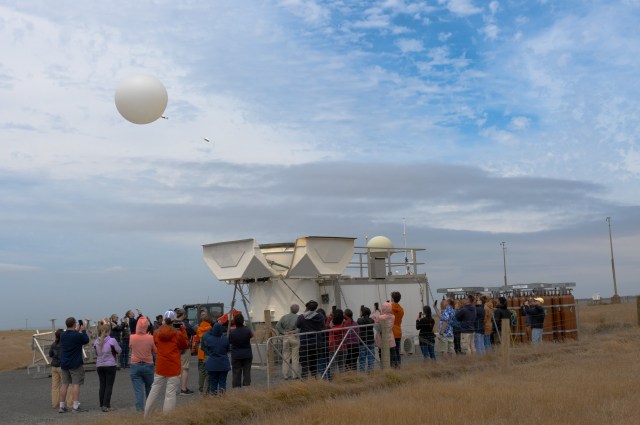
A weather balloon launcher from the BOM/ARM Autosonde collecting KEY data in the southern ocean.

Unlike Cleveland, the school was located close to the ARM deployment allowing a site visit. This was incredible allowing the 27 students (our four and 23 others from Australia and Europe) to see the world class instrumentation at the site. For those that do not know ARM is a Department of Energy, Office of Science user facility. The office of science is the largest federal sponsor of basic research in the physical sciences. Unlike NOAA or NASA ARM focuses on collecting key observations to improve our predictive understanding of our planet. The science advances from ARM benefit everyone from city planners to grid operators. The reason why ARM is in Tasmania is because the southern oceans is one of the most observationally sparse regions on the planet and what happens in the southern ocean impacts the whole globe including the USA.

Four students from the USA and Australia supported by ARM to attend the school. Emily Tomasiuk, Kyndra Buglione, Keyleigh Reilly and Tiantain Zhu.

Our EOC mission is to enhance the impact of ARM data by training the workforce of the future. ARM data is complex, REALLY complex and ARM has developed a suite of open tools like ACT and Py-ART that make it easier for everyone to use our data. This is why Max and I traveled hours (many many hours) downunder to help our friends. We are so lucky to have amazing mentors for the group projects from the University of Wollongong (our fearless leader Clare Murphy), the University of Michigan, the University of Melbourne and Monash University. We also could not have done this without the support of the ARC Center of Excellence for the Weather of the 21st Century, ACCESS-NRI, AMOS and CASANZ. And of course the support of the Australian Bureau of Meteorology (my old employer!) and CSIRO

The team on the site visit to Cape Grim and the CAPE-k ARM deployment.

The student projects were AMAZING. Four projects spanning the gamut of earth science. These students give me hope for our scientific future. The skills these students will bring into our field will mean a more predictable earth system meaning better planning and more lives saved.

Editorial note: These views are my own, Scott Collis, and do not necessarily represent the views of any of the organizations mentioned in this article.

We Bought a Cabin!

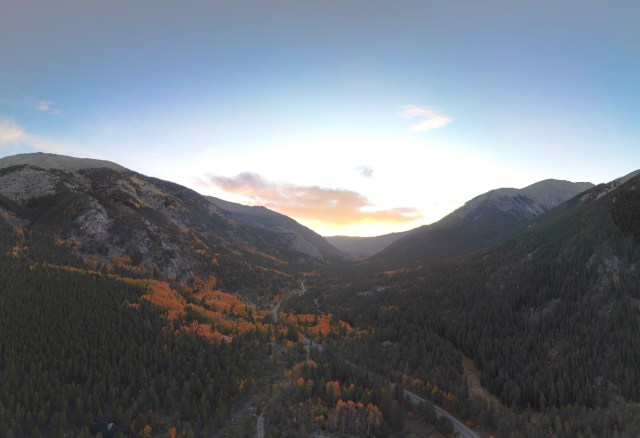
Mount Elbert Massif. Our cabin is in the valley on the left of the image after Twin Lakes.

Super quick update! I have not updated this blog in years. We are the proud owners of 5 acres of land, complete with our own rock outcropping, many pines and aspens, just off Colorado State Highway 82. So grateful to Bob and Lois for not only taking such amazing care of the cabin and land but being so kind and generous during our discussions. It is amazing buying this from a friend. We were NEVER intending to buy. At least not when River is in College (yeah, that happened). But when Bob announced he was selling the property we decided, even if it paupered us, we had to go for it!

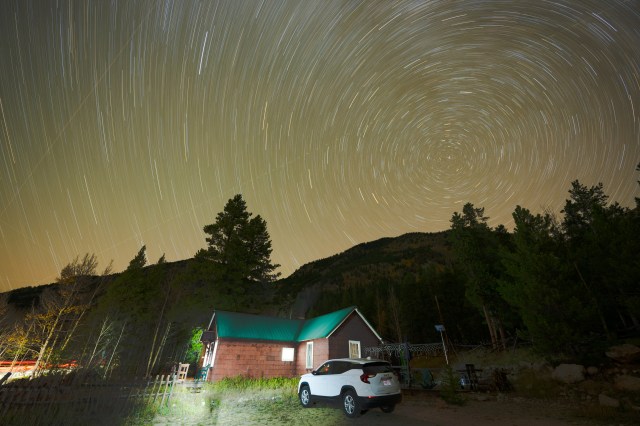
The cabin at night.. Yes its DARK!

The property sits about 1/2 way between Independence Pass and Twin lakes. It is a few miles before the gate that closes the highway in Winter. It sits just above 10,000 feet to the air, while fresh, is rare! We are surrounded by the San-Isabel National Forest which includes the highest mountain in Colorado, Mt Elbert. We can see the ramparts of La Platta and many other 14’ers! We have no real plans from here but to occasionally work remotely and enjoy the mountians. One thing we have done is fully instrument the property so we can remotely monitor. there is no central heating so we “winterize” it every time we leave and I have installed temperature sensors and cameras throughout. And, of course it has a CoCoRAHS rain/snow gauge (CO-LK-34) and Ambient Weather station! https://ambientweather.net/share/5jAVv2

Done panorama taken above the property looking back toward Twin Lakes.

2022 ARM/ASR Joint User Facility and PI Meeting – Day One

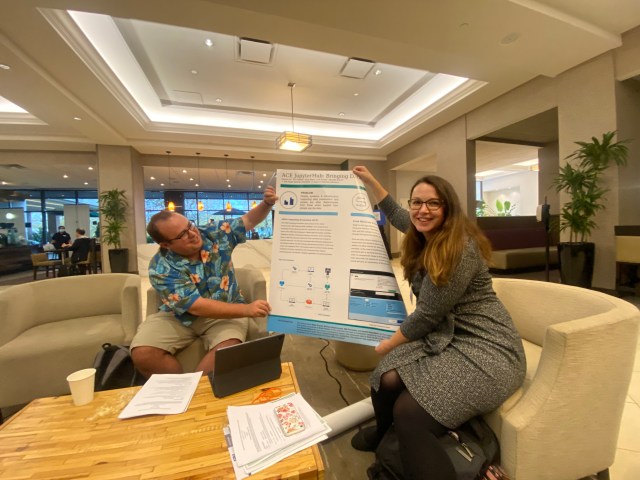
Impromptu poster session with Monica.

Well, kind of day half! Woke bright (dark) and early at 4am for the 7am flight from O’Hare to the nation’s capital. After a smooth travel day I arrived at the very familiar Rockville Hilton with a small posse of Argonne Scientists.

The isolation (albeit easing) through the pandemic changes one’s brain chemistry. I have not been in a place where so many people know me and I know so many people in a very long time. Furthermore there are people here I have developed professional relationships with via zoom during the pandemic and now I meet them here in glorious, high def, lag free, three dimensions!

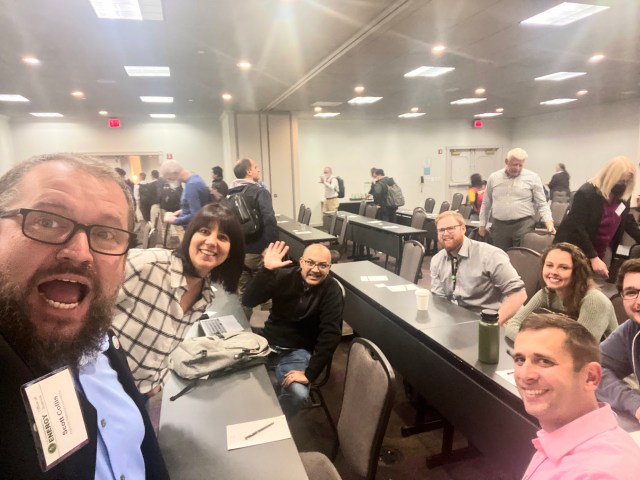
Team Argonne-ARM selfie!

One such person is Dr Monica Ihli from Oak Ridge National Laboratory. Monica was plugged into the ARM Facility after the start of the pandemic and she has been working closely with Max Grover (an RSE in my group) on data proximate compute as part of our funded work in workforce development. She is working with Max to build Jupyterlab based cyberinfrastructure right up against the many petabytes of ARM data. We even had an impromptu poster session! That kind of interaction does not happen over zoom.

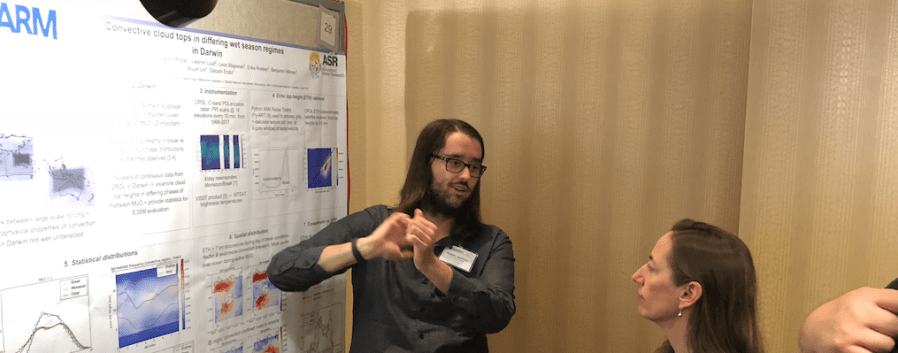
Latest results from the TRACER Aerosol team.

This first, half day, of the meeting had two sessions that necessitated an early morning flight. A session on the TRACER field campaign that just finished. And, in a new innovation a session on emerging technologies. The TRACER session provided an awesome overarching view of the 1 and a half year deployment to Houston. Numerous partners, already 38TB of data in the archive and, at this meeting, 32 posters being presented mere days after the conclusion of the deployment! Some notables for me was the different temporal and spatial scales of the aerosol (those tiny particles that have big impacts) measurements and early efforts to classify and tag storms impacting the region.

Finishing the day with hot pot with friends.

The new and emerging technology was fascinating. So many technologies that, if realized, would be amazing. One technology I have my eyes on is the Snow Pixel by Particle Flux Analytics. It is like a digital camera for measuring snowflakes by sensing when a flake falls on them. And that was one of many, I have a page of notes to follow up on, especially for our plans for the CROCUS measurement deployment.

A great first day, finished up with some hot pot with fiends.. I am slowly regrowing that Science-Social nexus in my brain again that has gone un-fed for a long time.

The ARM ASR Science Team Meeting

A note: This represents the view of a DOE funded scientist, not the Department or any of its programs.

Screenshot from a talk I gave at the ARM meeting 13 years ago!

I did not have an iPhone back in 2009 when I attended my very first ARM Science Team meeting in Louisville, Kentucky. So I have been unable to find any pictures of the event. I did find my old presentation I gave! I arrived in Ky after flight from Australia which got delayed and an unexpected stop over in LA. I arrived barely in time to give a talk on vertical motions in storms!

That meeting was in spring (in the USA) and now we are here in fall 13 odd years later and next week will be first in person ARM-ASR science team meeting since the pandemic started in the USA. I used to work for the Australian Bureau of Meteorology and now I live in Chicago and work for Argonne National Laboratory and my work is a lot closer to ARM’s mission.

Real work gets done. ARM ASR science team meeting in Potomac, March 2013.

I am excited to be back at this meeting in person (in Rockville, Maryland). This will be my first “Programmatic” meeting since the Pandemic began. What is a programmatic meeting? you ask. Well funding bodies like programs within the Department of Energy’s Office of Science will provide support to universities, laboratories etc the same way programs in, say, the National Science Foundation will but they are more mission driven. Programs, like the Atmospheric Systems Research, or ASR, program, need those funded by them to work together.

Breakfast to Beer. Science all day. Tyson’s Corner, 2018.

The science ASR seeks to tackle (making our simulations of the planet more accurate and useful for the nation) can not be achieved by any one investigator. ASR forms working groups and special task forces and these groups meet, along with those who manage the programs, imaginatively called… wait for it… Program Managers, meet once a year. These meetings have many purposes but three are: To allow for DOE supported and associated scientists to understand the needs of the programs (ASR and the Atmospheric Radiation Measurement, or ARM program) and closely aligned programs, to allow the program managers listen and gain a deeper understanding of the breadth of science their programs fund and to allow everyone to interact, learn and forge new collaborations.

The last in person ARM ASR Science Team meeting. North Bethesda, June of 2019.

It is an exhausting week. In some years I have had days containing 7am breakfast meetings right up to 8pm science, dinner and a beer meetings. It is the one time all those I work with are in one physical place and it presents unique opportunities. I joke with Louise that it is the only domestic meeting I come back from jetlagged.

The ARM ASR meeting coming up next week is special. It is the first in person meeting in three years and it has been an eventful three years. Much has happened in all our lives, professionally and personally. There will be a lot of catching up. Those who read my blog know of the TRACER field campaign. That has been planned and executed all in this time. I will be heading to the meeting with excitement and an open mind, 13 years after that excited young man traveled to Louisville and his world changed.

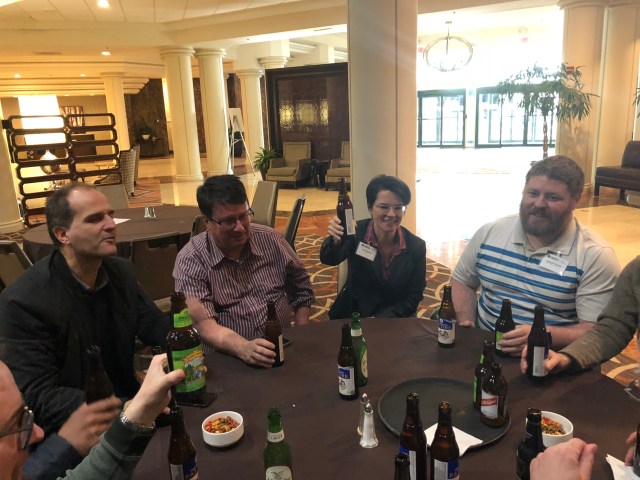
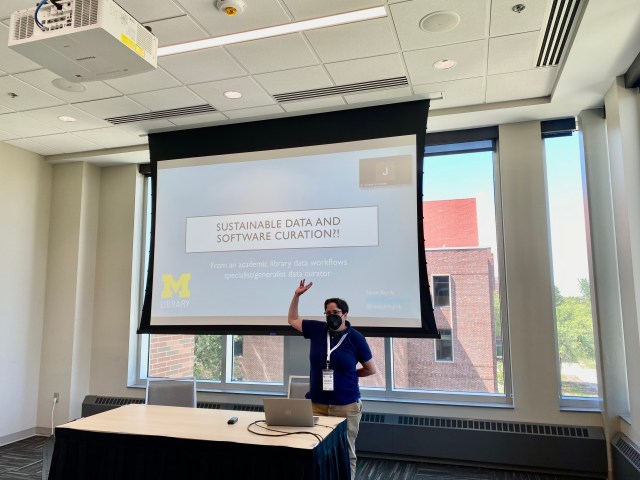
Curating Weather Simulation Data. Earthcube Workshop in North Dakota.

“Simulation outputs are important but that does not mean we save them forever” – Gretchen Mullendore

This week I have been attending a workshop on data curation (a key part of open science) specifically on developing guidelines on the data produced by weather and climate simulations. Open science is better science! But a blanket “you must save and provide all data” is not only onerous (especially for underserved institutions) but not what is needed for reproducibility and reusability.

So many great minds focused on open science.

First, this post are my thoughts and do not, necessarily, reflect the views of attendees and organizers. There will be a report. There has been a lot written about measurements and measurements can no be recreated. Model data, to a degree, can be regenerated. By sharing workflows those with the appropriate resources can run the models on provided initialization and configuration data. Furthermore the sharing of workflows allows the exploring of the robustness of conclusions to assumptions (sensitivity) and the reuse of the workflow to address new science questions.

Gretchen kicking off the meeting

I really enjoyed the discussions and applaud the team’s focus on designing rubrics as it brings the conversation up a level and enables the clear measurement of the efficacy of solutions. It was also great seeing a huge diversity in the career stage and “flavor” of participants. We had data creators, curators, representatives from three publishers (AGU, AMS and PLOS), data scientists and more!

Susan from the University of Michigan on data curation.

Also, fittingly, lots of discussions around equity. Open science is better science. Journals are increasingly requiring data to be made available (even FAIR) which can create a burden to institutions without the physical and/or workforce to meet these requirements. There have been discussions of carving out exceptions for underserved communities. My perception is that the community here at the workshop pushed back hard against that idea as, as aforementioned, open science is better science. Rather we need to equip those institutions to meet the open science requirements.

Lots of discussions on just how much data should be required to be made available to be open and how long it should be curated for. Again a focus on designing rubrics to guide the process. The focus should be on the goal and be flexible to aid the scientist in achieving open science and reproducibility and also allow the society driven journals in meeting the aspiration of is members.

A nice atmosphere and a nice atmosphere!

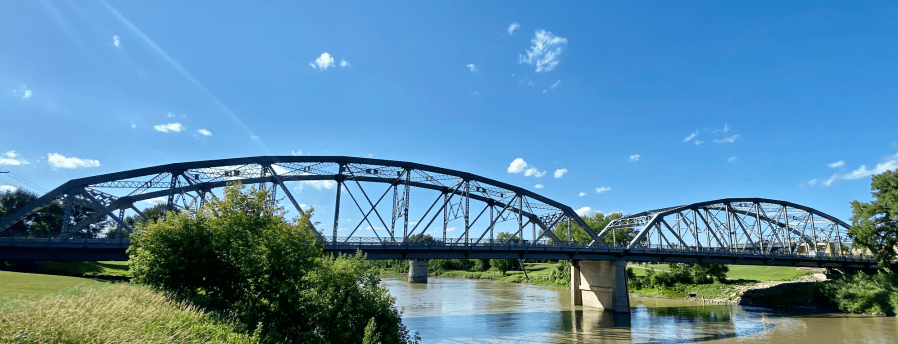
It was great to be back in Grand Forks. The University of North Dakota is a great institution that, in the atmospheric science, punches way about its weight. Two of our recent three hires had a background at UND and I very much enjoy my collaborations with the team there. It was also very nice to be there during a dry cool air outbreak in summer rather than a frigid cold air outbreak in october!

SciPy Thoughts

Subtitle, too busy to blog. Just about finished my time here at SciPy and I am both tired and energized. My excitement has not diminished from my first SciPy back in 2012. Great to meet new people and re-meet people that, due to reasons, many of them pandemic related, I have lost contact with.

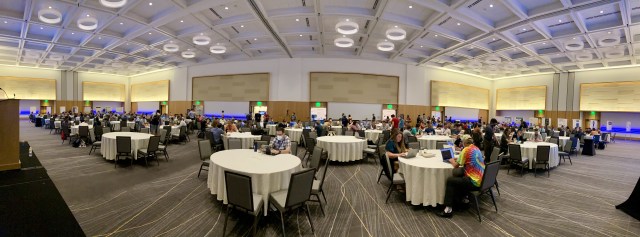
Good to be back in the ballroom!

My number one take away from SciPy is: How much better organized the community is and how they, more so than any government program I have worked with, pull in the same direction and work in concert across many projects. The impact of organizations like Chan Zuckerberg is clear as is the orchestrating role of NumFocus. Also a thing to watch is the new Scientific Python organization which is aimed at sustainable growth and enhancement of the ecosystem.

Queso!!!

The increasing common language of enhancement projects (PEPs, SPECs, ZEPs etc…) and common governance structures is extremely pleasing and what just blows my mind is how this is completely self organized without any kind of edict from above.

The Scientific Python ecosystem is just that, an evolving ecosystem! It is so pleasing watching it evolve to a sustainable track. As Ben Blaiszik said during his keynote, this software is fundamental science infrastructure and while it needs (very much) more financial support from the agencies who’s science it supports (side eye at DOE) it is now in a place where any funds it (the ecosystem) receives will be used for the good of science.

On a technical note some great things I took home were: New, exciting 3D visualization tools, Pangeo forge forges ahead, cool ways to access HRRR as a X-Array like Zarr store from AWS, James Webb space telescope processing runs on SciPy, new ways to manage conda environments for teams and more.

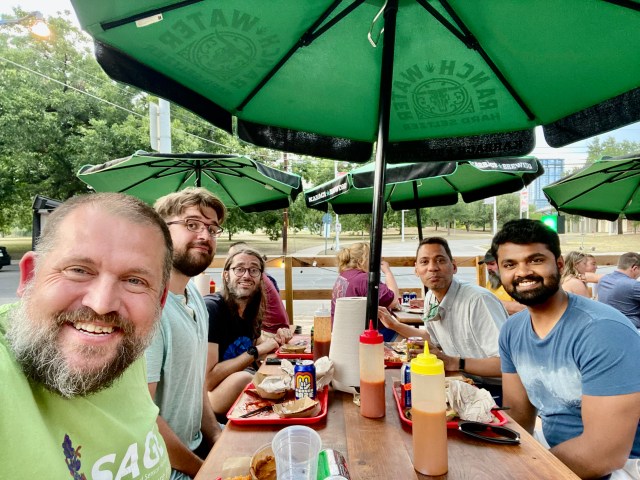
BBQ and storms!

On a professional note, my greatest enjoyment was from seeing the enjoyment of my team three of whom were at their first in-person SciPy. Joe, Max and Bhupendra seemed to completely immerse themselves in the meeting and made new connections. It was also fantastic seeing our ARM collaborators at Brookhaven Lab , Die Wang and Sid Gupta there. This turned into a mini-science meeting as well with new connections made and new work planned. It also is a sign that open science is growing in the programs I love.

On a personal note, it was fun and a little interesting being in Austin during the pandemic. The city’s homeless problem has gotten worse and many businesses are struggling with hiring and some old haunts have gone out of business. I really enjoyed taking advantage of the scooter scheme clocking up 25 miles of low carbon transport.

Great seeing out DOE EESSD funded open science family grow at SciPy.

The news today of NumFocus taking over from Enthought as the organizing entity for SciPy is great news. Enthought has been spectacular and so supportive but having a genuine not for profit will help in many ways. It also opens the opportunity for SciPy not being in Austin. I am genuinely on the fence about this. Whatever the case I hope NumFocus takes a good look at WHY we have these meetings and comes up with some guiding principles. Define what is trying to be achieved, a north star to guide decisions. Then they and the chairs, committee, etc, can keep coming back to those and be forced to justify decisions. I am excited for the future, be it in Austin or elsewhere (note the contract for Austin in 2023 is signed, this does not mean it has to be in Austin but means there is a cost to not having it in Austin).

I’ll finish this blog post by asserting I need to become more engaged in the community. I need to write in folks like NumFocus, Quantsight, 2i2c et al into grant proposals as collaborators as not only are they better positioned to implement workflows I love to use funding them will give back to the tools I love to use. I also need to make more time to contribute code and continue to support my team in contributing to free open community software, critical international science infrastructure.

SciPy 2022. Kid In a Candy Store.

Short update! I am SciPy bound. My first in person conference since, well, the world stopped. So the pandemic is by no means over and there is some controversy (which I will not go into but you can GTS yourself) but that has not dampened by excitement.

My first SciPy. Red pill all the way.

One super exciting thing is three members of my team, Bhupendra, Max and Joe, are heading to their first SciPy.. I remember my first SciPy. It was like a scene from the matrix where I took the red pill and my world changed forever. I have been in “science” for two decades plus and I have never found a community like the Scientific Python community. The smartest and kindest people I have ever met. Genuine and passionate.

Great day for traveling.

I am excited to re-meet many I have met (please please forgive my memory for names, the pandemic has frazzled the skills I had, already meagre, in that area) meet new people and just learn a lot! I remember clearly in 2012, my first SciPy attending and about to give a talk and wondering what to use to format code (at SciPy they show a LOT of code, it is amazing). And I heard about this cool tool called an iPython Notebook. Yeah, before Jupyter.

And that is the amazing thing about SciPy. You are, as Hamilton would say, in the room where it happens. In the very least you are in the hallway outside the room and are the first to know about what happened and use the tools of said happening. Bring It On!

Thank You.

Goodbye Houston. IAH on climb out.

Day eight, a travel day back home. Very thankful to be heading home. It has been a good, long, good trip and very worthwhile. I have a better understanding of Houston meteorology, better understanding of ARM Operations which will help me be a better scientist working with ARM data and many new connections to the area and collaborations.
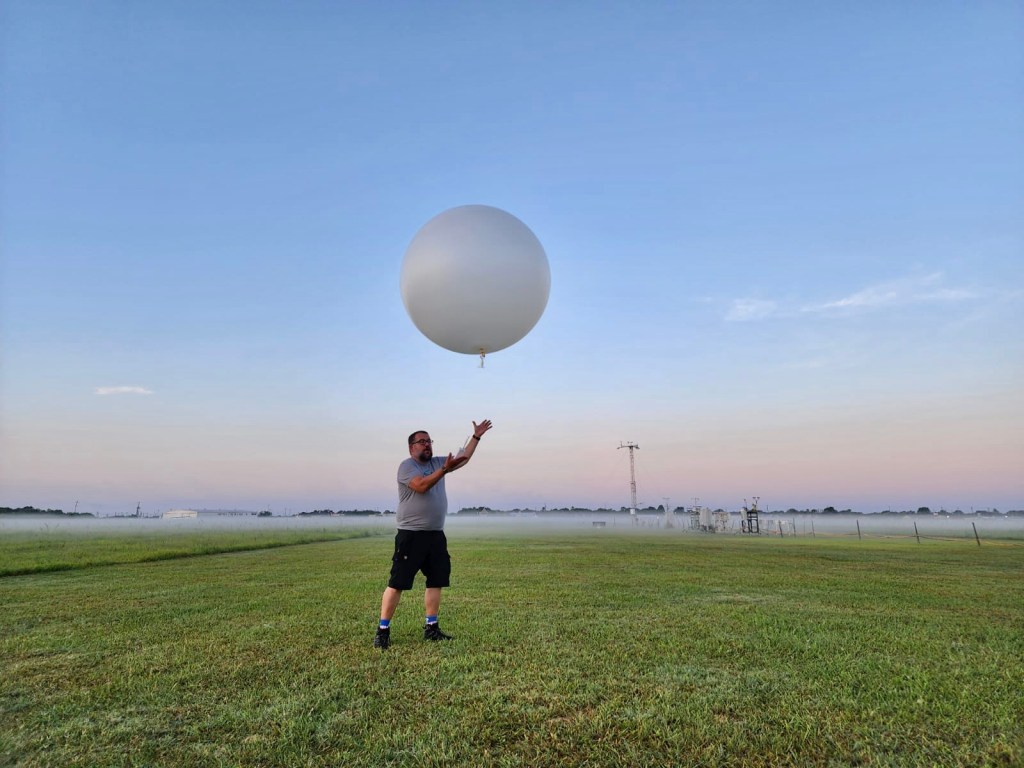
Daniel, a big U of H fan!

Of the seven days I was mission scientist we called three “up” days. Two (the first two) were a slam dunk. Yesterday’s was less so with storm firing more to the east and north of the TRACER domain. The data from yesterday will still be interesting in studying a transition to an atmosphere more conducive to storms.

David Oaks. Michicagian to Alaska, Norway and now Texas.

Mike Jensen, the overall PI (lead) for TRACER will now take over as the Mission Scientist while Chris Nowotarski from Texas A&M will take over from Bobby as forecast coordinator. It was really nice today to not be “on”. Not having to plan my day around spinning up and having the call.

Gabi Pessoa, from theater in Rio to balloons in Houston.

Most of all I am thankful to the AMF site staff. David Oaks, the technical lead, Daniel Bahrt, Mark Spychala and Gabi Pessoa. Not only are they key to collecting data that will change our understanding of our planet they do it with style and a passion for the mission that is amazing. It is interesting to think when I attended a break out meeting at an ARM-ASR meeting (I think it was in 2016) when folks were just starting to talk about Houston and then I decided that we (Bobby and I) should start studying Houston storms using data from the local NWS NEXRAD radar it would lead to this.

Mark Spychala. Valpo grad, Army and NEON nerd now geeking on Texas clouds.

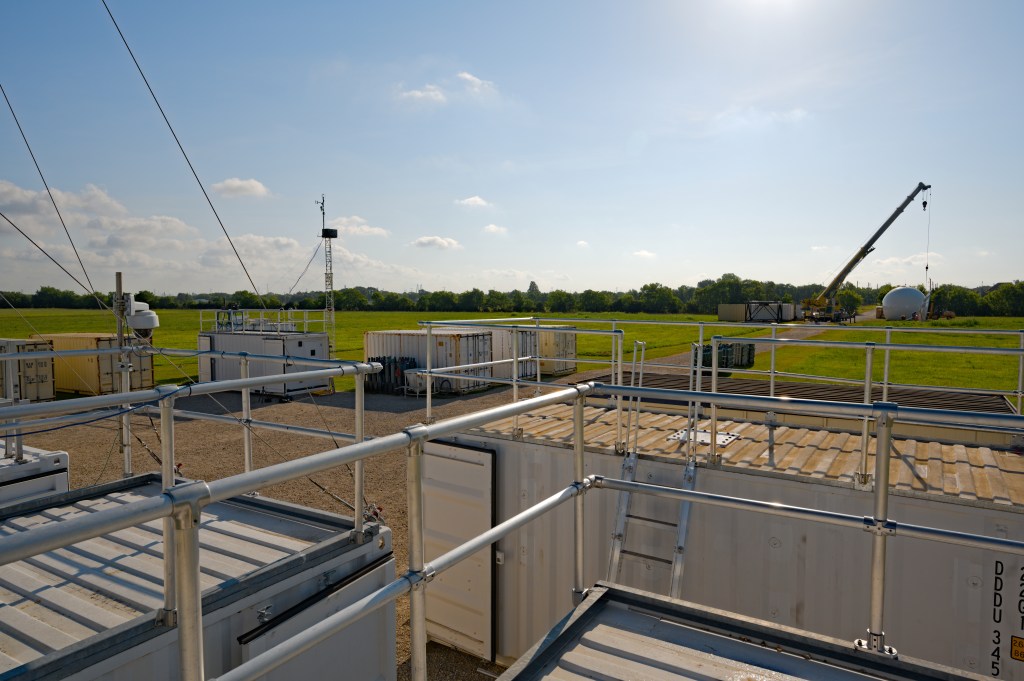
Also amazing, when Mike led the proposal and we came up with ideas for deploying to Houston that our science thoughts would lead to the uprooting and redeploying of people. Fact is, as much as we try, ARM’s deployments can not be fully automated. In La Porte, where we are deployed to the middle of an airfield, launching sounding balloons takes careful coordination with the airport, authorities and Houston TRACON. And even beyond soundings each technician does daily rounds where they inspect instruments, clean windows and work with visiting scientists like myself.

What now? For one I will be back in August for another tour of duty. Details still to be determined. With the ARM C-Band radar in automated mode our team will have our work cut out for us working out exactly what we got. And that’s where the coming weeks I will be wearing my other hat. Not a Mission Scientist but an ARM Translator. Working with the team to make ARM radar data more useful to our users. Can’t wait to dig into that data and so grateful to the folks on-site who make it possible. I leave Houston thankful.

Out On A High Note.

And we are done. A seven day tour as mission scientist for ARM TRACER done! Seven days and three up days, super stoked with that, especially this last day which was just a bonus. Forecast turned distinctly more positive for the science we want to do yesterday (understanding the impact of those little particles on big clouds) so we called an up day for my last day in Houston.

Done… Celebratory beverage at St Arnolds

So now I sit here biting my fingernails waiting for storms! I’m sitting in the trailer at the ARM site hoping to get video of one last sounding launch. Plus some time lapse of I HOPE developing storms. It has been an amazing trip. I have learned a lot about Houston, the meteorology, ARM and AMF operations and the folks in Houston. Being immersed is important. Back in Chicago I would have so many distractions. Here I watch the atmosphere develop.

Leading up to the forecast call I am watching the data, watching the sky and visiting the sites. I listen to the forecast call, take in all information and make a call on operations. I then watch how it pans out. As talked about in previous posts, forecasting creates an impression on all those involved and aids in future analysis.

Magic

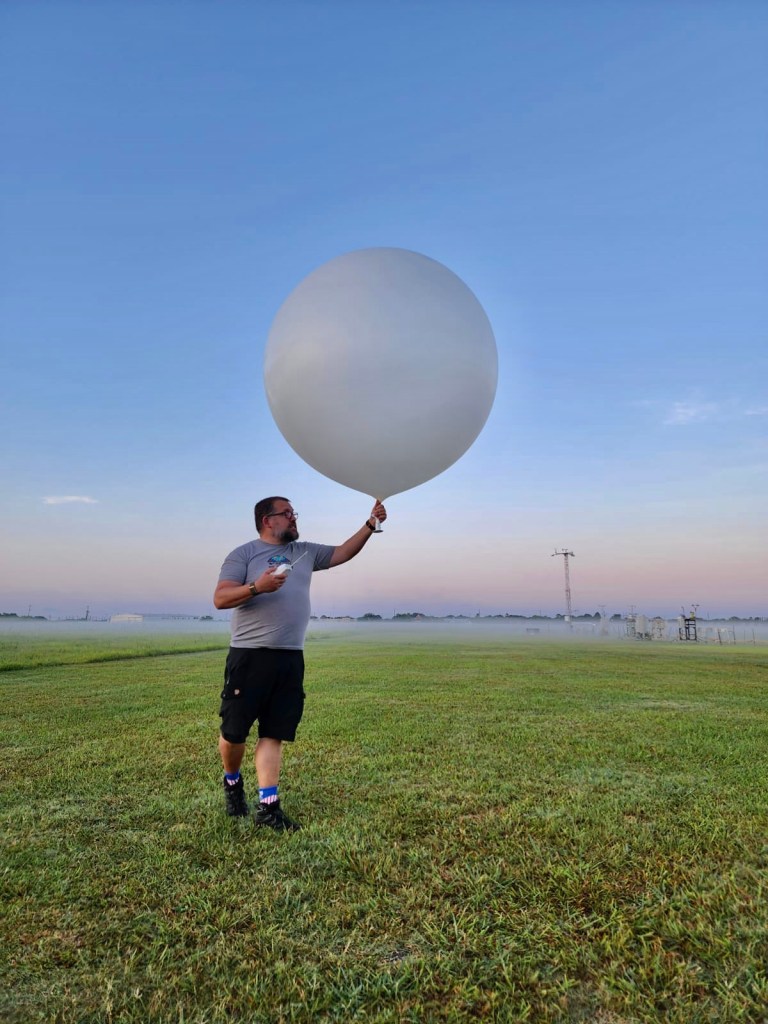
With today’s forecast being so uncertain a lot hinged on the morning (7am, 12 noon in Universal Coordinated Time or UTC aka Zulu or “Z” yeah.. a lot of odd stuff) sounding and how dry the air just above the surface is. So, because it seemed “right” I took Mark up on his offer to come out and launch the 12Z sonde.

What a treat. There was a fine layer of fog over the site and the light was MAGIC.

So lucky to work for such an amazing organization.

So, scratch “get up at 5am on Sunday to drive to a world class facility to launch a balloon to help in your forecast” off the bucket list. A high note indeed. We looked at the sounding and kept the “up” forecast in place. It’s 23:30Z right now (yeah a long day). Still feeling good about the call. Even if it is a miss it is an interesting miss and the weather turns messy tomorrow (yay! A travel day with tropical-like storms!). I am really looking forward to getting back to my family. 2.5 years or lockdown and heck yeah I miss them when I go away (took all of about 24 hours). Proud of the work I have done here and so very humble to be part of something so amazing.

Putting The M In ARM

ARM’s Cloud Radars
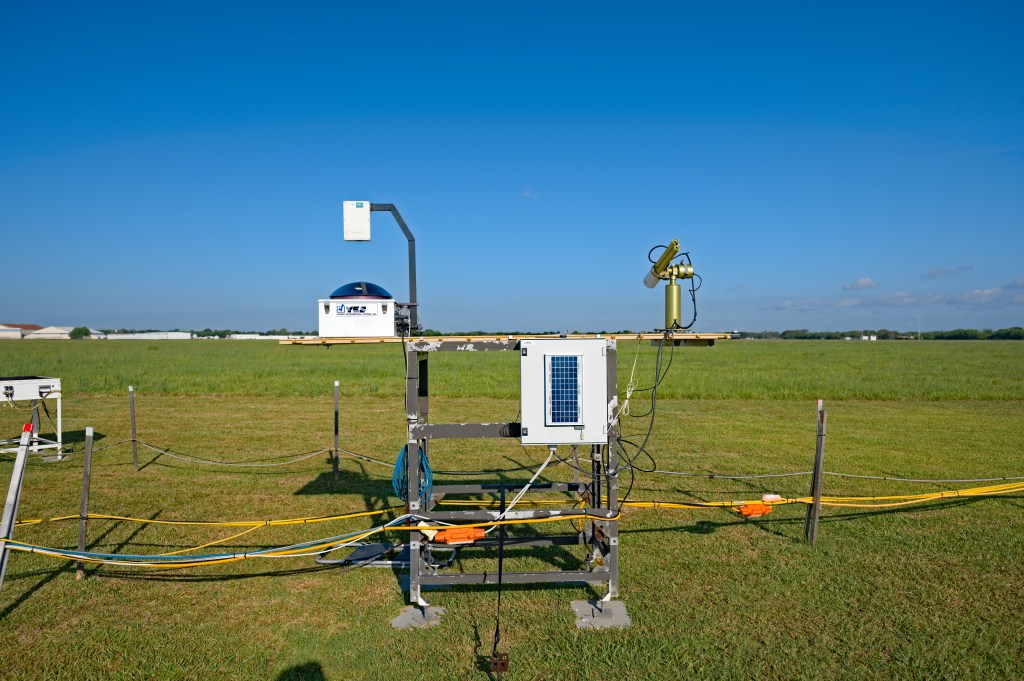
Total Sky Imager and sun photometer.

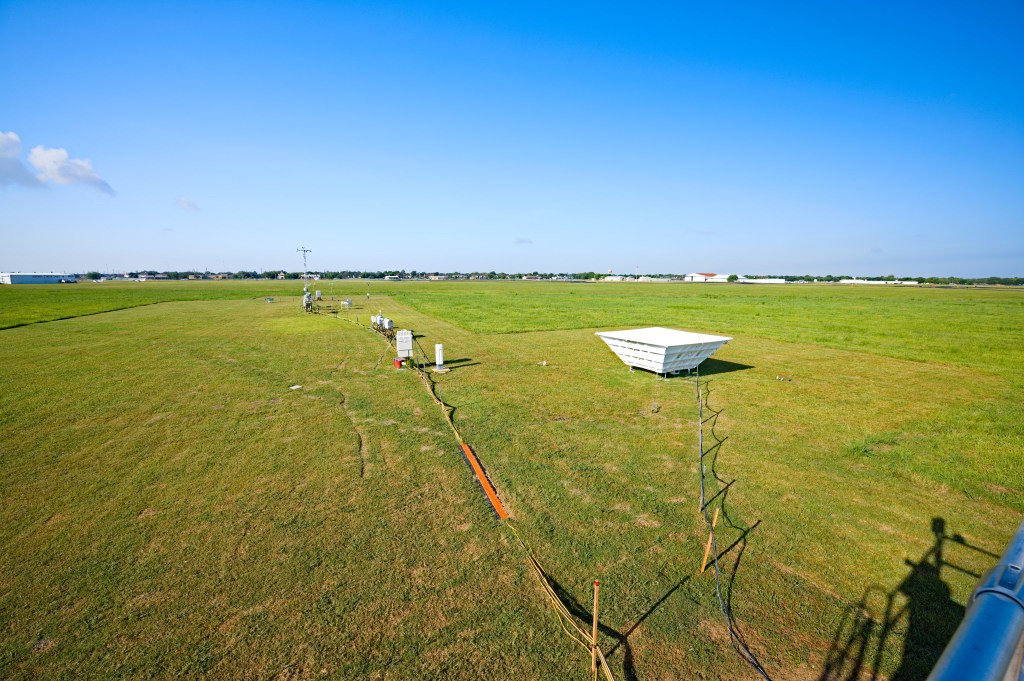
Atmospheric Radiation Measurement. A facility 30 years strong. And the focus is on measurements. We take measurements. ARM collects measurements with a mission to improve the representation of clouds, aerosols (those tiny particles) and anything that impacts how sunlight travels to the earth and how the infrared radiation emitted from the earth travels our into space in any kind of earth simulation. ARM does not do the improving of simulations.

We target our data so users can do that themselves and use the funding from various agencies (including our sister program, the Atmospheric Systems Research program). ARM looks to scientists like me (yes I have a dual role here, I am supported by the ARM program to value add ARM radar measurements AND I am a scientist who proposes to ARM to deploy instruments) to suggest through a proposal mechanism where we should go to make the most impactful measurements.

Micropulse LIDAR.

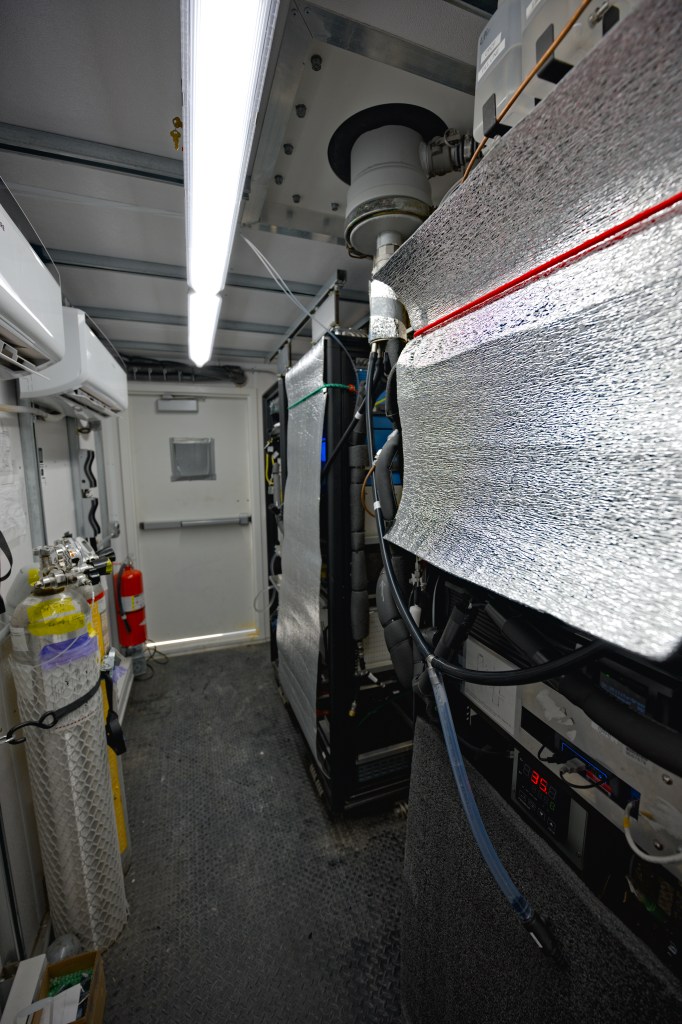
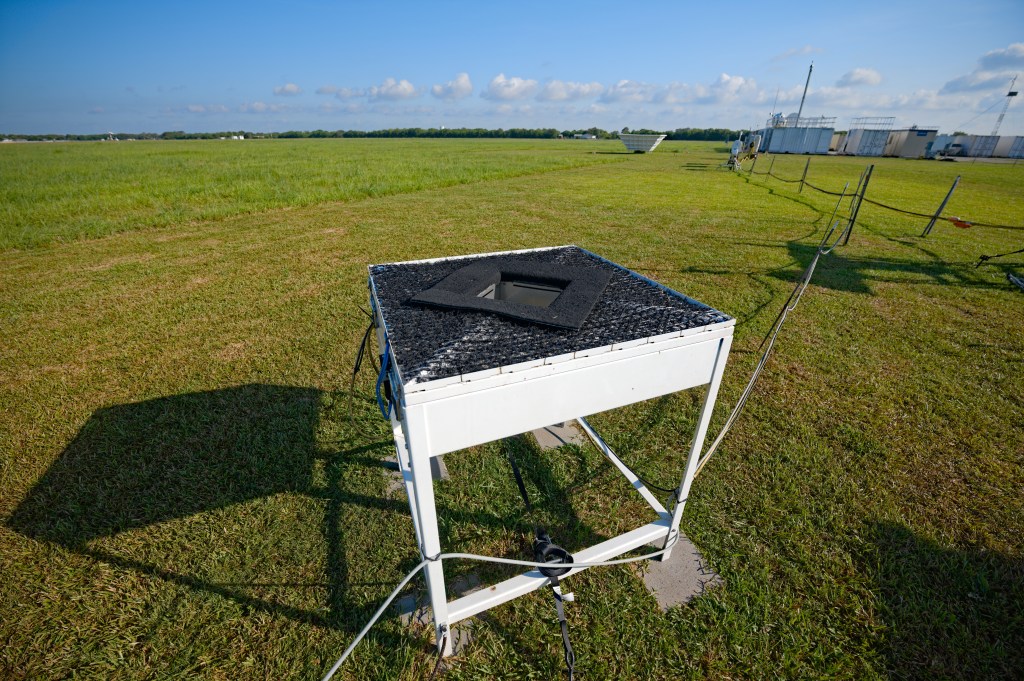
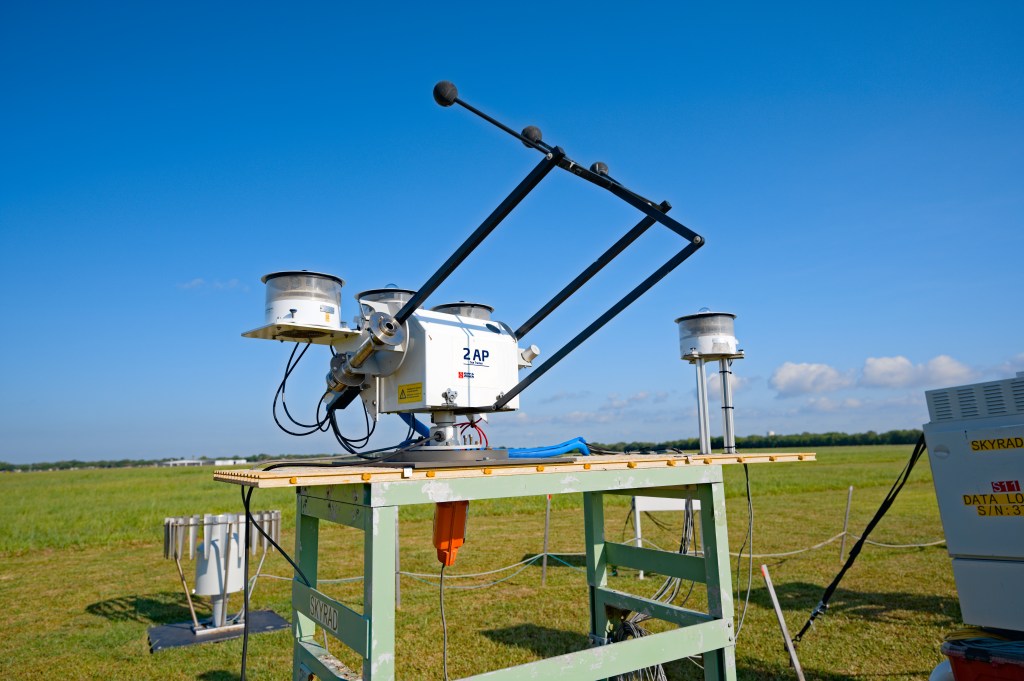
ARM measurements are comprehensive. A simple breakdown could be instruments that measure the properties and chemistry of tiny particles, instruments that measure clouds, instruments that measure both and those that measure the air (the meteorology) in which they reside.

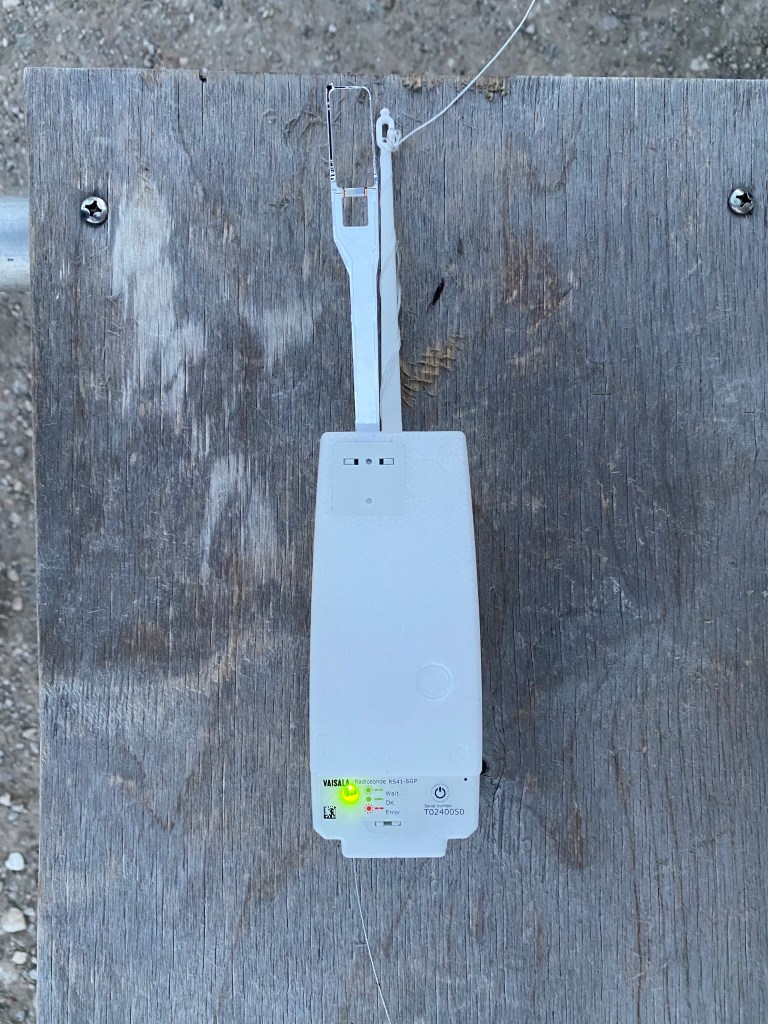
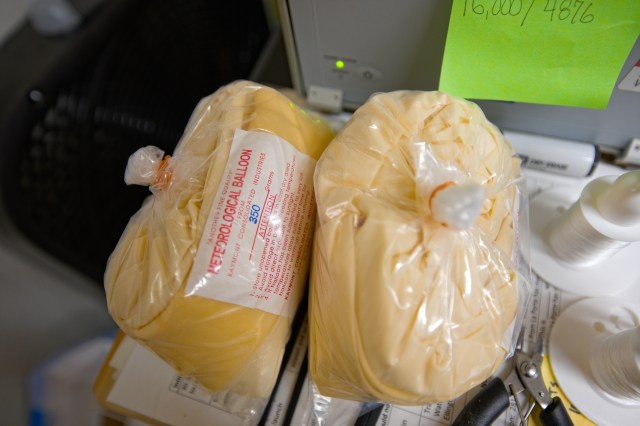
Those vital balloons.

I could go over each instrument and its purpose but the would be a lecture, heck a whole course, not a blog post. Some of my favourites are our cloud radars (of course) which shoot radio waves (super high frequency. Your wifi is ~3GHz our Ka Band radar is 35GHz! ) the micropulse LIDAR which instead of shooting radio waves shoots laser beams and, one of my all time favorites due to its simplicity, the Total Sky Imager (TSI).

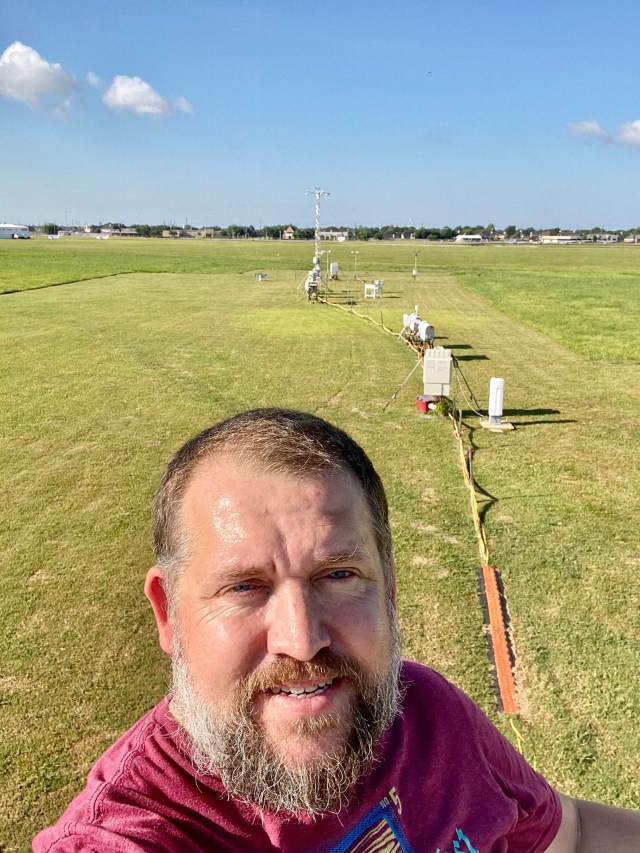
Warm work!

The TSI cam from the idea of “hey I can see the whole sky in this shiny salad bowl”. It is my got when I am trying to work out “what happened?”. And, of course, as you have all garnered from previous posts, one thing ARM does very well is launch weather balloons.

So after taking all these photos in the morning (sweaty business even at 8am) I relocated back to the hotel for the weather briefing and ops call. The forecast was improving but is a real head scratcher for tomorrow. So we are calling an up day for tomorrow. The key will be moisture near the surface. If there is just a slight bit more than forecast we will get some nice storms. If not enough, no storms until a major chance comes through tomorrow night. Fingers crossed all!